


Pelvic health is an essential yet often overlooked part of overall well-being. Discomfort in the pelvic region can affect daily movement, posture, confidence, and quality of life. Whether caused by stress, postpartum changes, sedentary lifestyle, or muscular imbalance, pelvic pain requires a gentle, informed, and consistent approach to healing.
This is where mindful movement practices such as yoga and Pilates play a powerful role. When combined with targeted strengthening and relaxation techniques, they can support recovery, reduce discomfort, and restore balance in the body. In this article, we explore how yoga for pelvic pain, Pilates for the pelvic floor, and structured pelvic floor exercises can contribute to long-term relief and improved function.
Understanding Pelvic Floor Health and Pain
The pelvic floor is a group of muscles that support the bladder, uterus (in women), bowel, and other pelvic organs. These muscles play a key role in stability, posture, and core strength. When they become too tight, weak, or uncoordinated, discomfort can develop.
Common symptoms of pelvic dysfunction include:
- A dull or sharp ache in the lower abdomen or pelvis
- Pain during sitting or movement
- Lower back discomfort
- Urinary urgency or leakage
- Pain during exercise or intimacy
In many cases, pelvic muscle pain is linked to muscle tension rather than weakness alone. This is why both strengthening and relaxation techniques are essential.
A balanced approach that includes pelvic floor care, breathing techniques, and gentle movement can significantly improve symptoms over time.
How Yoga Helps Relieve Pelvic Pain
Yoga is one of the most accessible and effective forms of movement therapy for pelvic health. Through breath awareness, stretching, and relaxation, it helps release tension in the deep muscles of the pelvis and lower back.
Practicing yoga for pelvic pain encourages the nervous system to shift into a calmer state, which reduces muscle guarding and discomfort. Poses such as child’s pose, happy baby, and reclining butterfly help open the hips and gently stretch the pelvic region.
Unlike high-impact workouts, yoga focuses on gentle movement, making it suitable for individuals experiencing chronic discomfort. Regular practice can also improve posture, circulation, and mind-body awareness.
Additionally, incorporating easy stretches into yoga routines supports flexibility and reduces stiffness in surrounding muscle groups, helping to ease pressure on the pelvic floor.
Pilates and the Pelvic Floor Connection
Pilates is widely recognized for its focus on core strength, alignment, and controlled movement. It is especially beneficial for pelvic stability and rehabilitation.
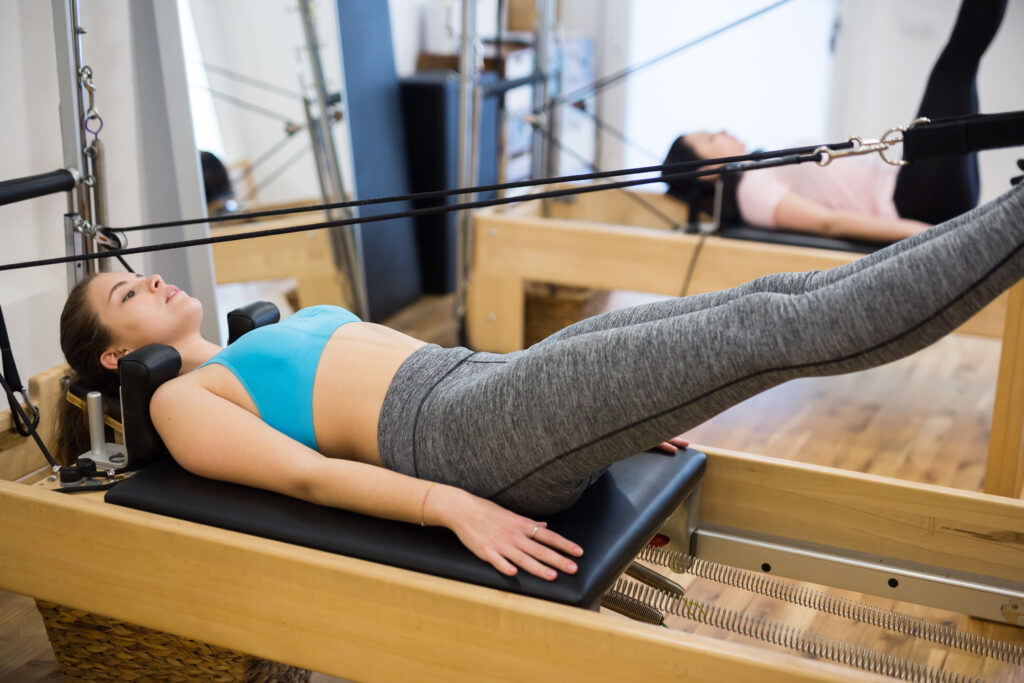
When done correctly, Pilates for the pelvic floor strengthens the deep abdominal muscles and improves coordination between the diaphragm and pelvic floor muscles. This coordination is essential for reducing pain and restoring functional movement patterns.
Pilates emphasizes precision and breath control, which helps prevent overstraining the pelvic area. Exercises such as pelvic tilts, bridges, and controlled leg movements are commonly used to support recovery.
A consistent Pilates routine can improve posture and reduce strain on the lower back and pelvis, making it a valuable tool for long-term relief of muscle pain.
It is important, however, to ensure that exercises are performed correctly. Poor form or excessive intensity can worsen symptoms, so guidance from a physical therapist is recommended.
The Role of Pelvic Floor Exercises in Recovery
Targeted pelvic floor exercises are essential for strengthening and retraining the muscles that support pelvic organs. These exercises improve both endurance and control, which can reduce symptoms of pain and dysfunction.
A key component of recovery is learning how to both contract and relax the pelvic muscles. Many individuals mistakenly over-tighten these muscles, which can increase discomfort rather than relieve it.
When performed correctly, pelvic floor exercises help restore balance and reduce tension-related pain. They also support bladder control, core stability, and improved posture.
For best results, these exercises should be combined with breathing techniques and relaxation strategies to avoid unnecessary strain.
Combining Yoga and Pilates for Maximum Relief
Yoga and Pilates are natural complements — both incorporate breathwork and flexibility, while yoga brings balance and relaxation and Pilates adds strength, postural control, and body alignment. Together they offer a comprehensive foundation for healing and movement.
Using both practices supports:
- Improved muscle coordination
- Reduced tension in the pelvic region
- Enhanced core stability
- Better posture and alignment
- Long-term pain management
Incorporating both yoga for pelvic pain and pilates for the pelvic floor into a weekly routine provides a holistic approach to recovery. This combination allows the body to strengthen without becoming rigid and relax without becoming weak.
For individuals experiencing chronic discomfort, alternating between these methods can also prevent overuse and promote sustainable healing.
Safe Movement Guidelines for Pelvic Pain
When dealing with pelvic discomfort, it is important to prioritize safety and awareness. Here are some essential guidelines:
- Avoid high-impact exercises that increase pressure on the pelvis
- Focus on breath-driven, controlled movements
- Start with short sessions and gradually increase intensity
- Stop any exercise that increases pain
- Prioritize relaxation alongside strengthening
Incorporating gentle movement into daily life can be just as beneficial as structured workouts. Simple activities such as walking, stretching, or mindful breathing can support recovery.
The goal is not intensity, but consistency and awareness.
Lifestyle Support for Pelvic Health
Beyond exercise, lifestyle habits play a significant role in managing pelvic discomfort. Good pelvic floor care includes hydration, stress management, and posture awareness.
Stress is a major contributor to pelvic muscle pain, as it often leads to unconscious muscle tightening. Practicing relaxation techniques, meditation, or deep breathing can help reduce this response.
Additionally, maintaining proper posture while sitting and standing can reduce unnecessary pressure on the pelvic region.
Combining lifestyle changes with exercises for pelvic pain creates a more complete and sustainable healing strategy.
When to Seek Professional Guidance
While yoga and Pilates are highly beneficial, persistent or severe pelvic pain should be evaluated by a healthcare professional. A physiotherapist specializing in pelvic health can provide personalized treatment plans and ensure exercises are performed safely.
Professional support is especially important if pain worsens during movement or interferes with daily activities.
Conclusion
Managing pelvic discomfort requires patience, awareness, and a balanced approach. Practices like yoga and Pilates can be safe, effective tools for restoring function, reducing tension, and improving quality of life — and starting them under the guidance of a physical therapist ensures they are introduced in a way that supports your specific healing process.
By incorporating pelvic floor exercises, mindful breathing, and structured movement such as pilates for the pelvic floor, individuals can experience meaningful improvements in stability and comfort. Similarly, consistent yoga for pelvic pain practice supports relaxation and long-term healing.
Ultimately, recovery is not about pushing harder; it is about moving smarter, listening to the body, and prioritizing sustainable strategies for muscle pain relief.
Frequently Asked Questions
1. What are pelvic floor exercises used for?
They help strengthen and relax the muscles that support pelvic organs, improving stability and reducing discomfort.
2. Can yoga help with pelvic pain?
In some pelvic pathologies, Yoga for pelvic pain can be highly effective in reducing tension and improving flexibility in the pelvic region.
3. Is Pilates safe for pelvic floor issues?
Pilates for the pelvic floor is safe when done correctly and helps improve core strength and muscle coordination.
4. How often should I do pelvic floor exercises?
Most people benefit from daily practice, but intensity should be adjusted based on comfort and guidance.
5. What causes pelvic muscle pain?
Pelvic muscle pain is rarely caused by a single factor. Common contributors include stress and nervous system dysregulation, hormonal changes, poor posture, muscle overuse or repetitive strain, pelvic floor weakness, and pelvic floor muscle tightness or overactivity — which is actually more common than weakness and frequently overlooked. Trauma, surgery, childbirth, and chronic conditions like endometriosis, interstitial cystitis, or irritable bowel syndrome can also sensitize the pelvic region over time. Because the pelvic floor is connected to the hips, spine, and abdomen, dysfunction in any of these areas can contribute as well. A thorough evaluation by a pelvic floor physical therapist can help identify the specific drivers for each individual.
6. Can exercise worsen pelvic pain?
Yes, improper or high-impact exercise can worsen symptoms, which is why gentle movement is recommended.
7. What is the best exercise for pain in the pelvic area?
A combination of stretching, breathing, and exercises for pelvic pain, like specific Pilates and yoga exercises, is most effective.
8. How long does it take to see improvement?
Results vary, but consistent practice may show improvement within a few weeks to a few months.
9. Do I need equipment for pelvic floor exercises?
While we do incorporate equipment with our in office sessions, most pelvic floor exercises can be modified to be performed at home without equipment.
10. Should I consult a specialist before starting?
Yes, especially if pain is persistent or severe, consulting a pelvic health physical therapist is recommended.