
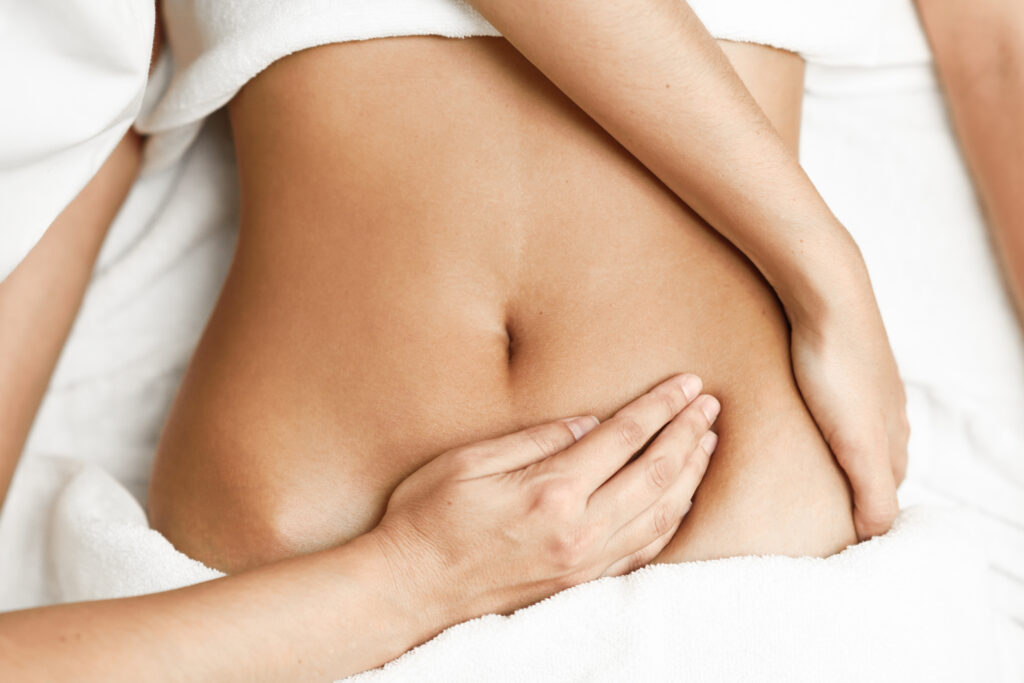
Visceral Mobility, Fascia, and Whole-Body Pelvic Health
Viscera refers to the internal organs of the body including the lungs, heart, and organs of the digestive, urinary, and reproductive systems. These structures form the core of your body’s pressure system and play a critical role in stability, movement, and overall function.
In a healthy system, these organs are not static. They are designed to move. With every breath, step, and positional change, your organs should slide and glide freely within the body. This movement is essential for maintaining proper function across multiple systems, including digestion, circulation, and pelvic health.
The Role of Fascia in Organ Mobility
Your organs are surrounded and supported by fascia which is a continuous connective tissue system that both stabilizes and allows movement.
When this system is functioning well:
- Organs move freely within the abdominal and pelvic cavity
- Pressure is distributed efficiently
- The diaphragm, abdominal wall, and pelvic floor coordinate effectively
When fascial adhesions or restrictions develop, this system becomes impaired.
This can lead to:
- Decreased organ mobility
- Increased strain on surrounding muscles and joints
- Disrupted core pressure management
- Pain in areas not directly related to the organs
Because fascia is continuous throughout the body, restrictions in the abdomen can influence the hips, low back, and even the neck and shoulders.
Why This Matters for Pelvic Pain
One often overlooked mechanism is the viscerosomatic reflex, where dysfunction in the organs contributes to pain patterns in the musculoskeletal system.
For example:
- Endometriosis related adhesions can contribute to pelvic floor tension
- Organ restrictions may present as hip tightness or low back pain
- Pain with intercourse may stem from deeper visceral restrictions not just pelvic floor muscle dysfunction
This is one reason pelvic pain is often misunderstood and why treating the pelvic floor alone is not always enough.
Visceral Manipulation and Pelvic Health Physical Therapy in Atlanta
At Femina Atlanta, pelvic health physical therapy takes a whole-body approach that includes visceral manipulation when appropriate.
Visceral manipulation is a specialized, hands-on treatment that:
- Releases fascial adhesions surrounding the organs
- Restores normal mobility and glide
- Improves coordination within the diaphragm–abdominal–pelvic system
- Reduces pain and tension throughout the body
This approach may help with:
- Pelvic pain and pressure
- Pain with intercourse
- Endometriosis related symptoms
- Chronic hip and low back pain
- Abdominal tension and bloating
By restoring movement to the visceral system, we also improve pressure regulation and breathing mechanics, which are essential for long term pelvic health.
The Posture + Organ Connection
Consider prolonged sitting with a rounded posture.
Over time, this can:
- Shorten the hip flexors
- Decrease space between the ribs and pelvis
- Compress internal organs
- Limit their ability to move freely
This often leads to:
- Shallow or inefficient breathing
- Increased pelvic floor tension
- Reduced hip and spinal mobility
- Neck and shoulder discomfort
This is not just a posture issue it is a visceral and fascial restriction issue that affects the entire system.
Why a Whole Body Approach Matters
When the anterior body (abdomen and fascia) becomes restricted:
- The body is pulled forward into tension
- Posterior muscles become inhibited
- Movement becomes less efficient
This often presents as:
- Chronic tightness
- Limited mobility despite stretching
- Recurring pain patterns
At Femina Atlanta, treatment integrates:
- Fascial mobility
- Visceral manipulation
- Neuromuscular re-education
- Breathing and pressure coordination
Because true pelvic health is not just about the pelvic floor it is about how the entire system works together.
Frequently Asked Questions
What is visceral manipulation in pelvic health physical therapy?
Visceral manipulation is a hands-on treatment that improves mobility of the internal organs and surrounding fascia to reduce pain, improve function, and restore normal movement.
Can organ restrictions cause pelvic pain?
Yes. Restrictions in the organs and surrounding connective tissue can disrupt pressure systems and create referred pain in the pelvic floor, hips, and low back.
Why is breathing important for pelvic health?
The diaphragm, abdominal wall, and pelvic floor work together to manage pressure. When this system is disrupted, it can contribute to pelvic pain, pressure, and core dysfunction.
Do you offer pelvic health physical therapy in Atlanta?
Yes. Femina Atlanta provides one-on-one pelvic health physical therapy using a whole body approach to address the root cause of symptoms.
References
da Silva FC, Viaria LS, Santos LV, Gaudreault N, Cruvinel-Júnior RH, Santos GM.
Effectiveness of visceral fascial therapy targeting visceral dysfunctions outcome: systematic review of randomized controlled trials.
BMC Complementary Medicine and Therapies. 2023;23:274.
https://doi.org/10.1186/s12906-023-04099-1
Findley TW, Schleip R.
Fascia Research II: Basic Science and Implications for Conventional and Complementary Health Care.
Elsevier; 2009.
Schleip R, Jäger H, Klingler W.
What is ‘fascia’? A review of different nomenclatures.
Journal of Bodywork and Movement Therapies. 2012;16(4):496–502.
Bordoni B, Zanier E.
Anatomic connections of the diaphragm: influence of respiration on the body system.
Journal of Multidisciplinary Healthcare. 2013;6:281–291.
Tu FF, As-Sanie S, Steege JF.
Musculoskeletal causes of chronic pelvic pain: a systematic review.
Obstetrics & Gynecology. 2005;106(5):1072–1080.