


Pelvic pain affects millions of people worldwide, yet it often goes undiagnosed or misunderstood. For those who have experienced trauma, whether physical, emotional, or postpartum, the pain can be particularly challenging. Fortunately, pelvic floor therapy offers a path to relief, healing, and restored quality of life. In this article, we’ll explore how pelvic floor exercises for beginners, combined with professional guidance, can be a cornerstone of pelvic pain treatment and recovery.
Understanding Pelvic Pain and Trauma
Pelvic pain can manifest in various forms, from sharp or stabbing sensations to dull, persistent discomfort. Trauma, such as childbirth, surgery, or accidents, can significantly impact pelvic health. Emotional trauma may also contribute to pelvic pain, as the pelvic floor muscles often hold tension related to stress or past experiences.
The pelvic floor is a network of muscles, ligaments, and connective tissue that supports the bladder, uterus, rectum, and other pelvic organs. Dysfunction in this area can lead to chronic discomfort, urinary or bowel issues, and sexual dysfunction. Pelvic floor therapy is specifically designed to address these issues by restoring muscle function, reducing pain, and improving overall pelvic health.
How Pelvic Floor Therapy Helps
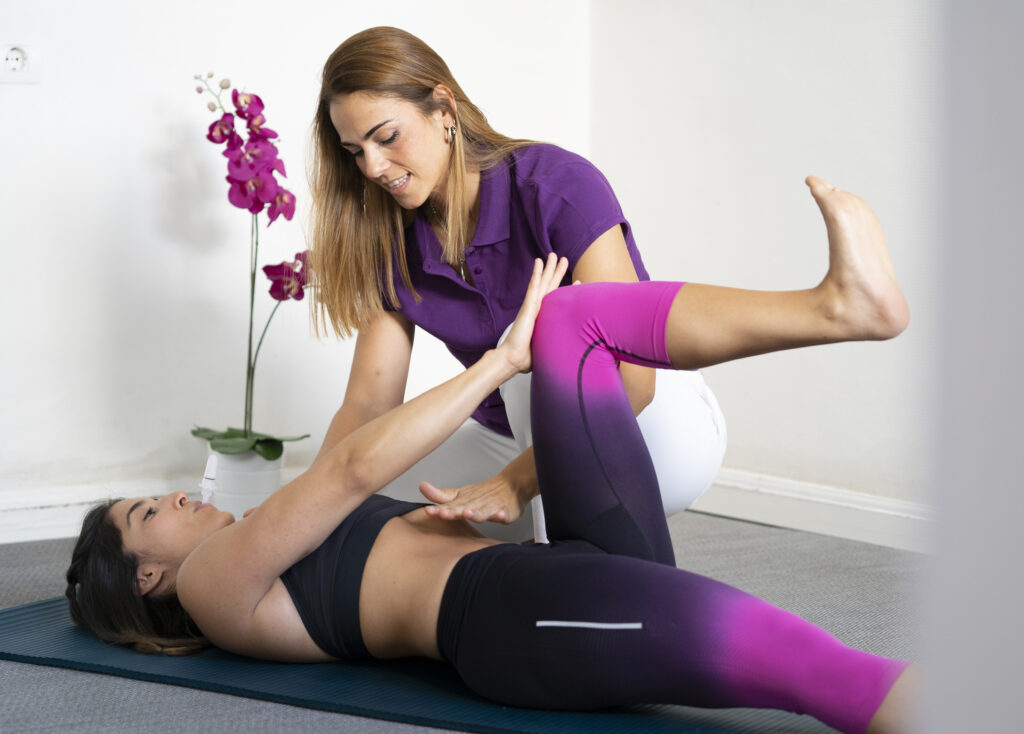
Pelvic floor therapy is a specialized form of physical therapy that focuses on strengthening, relaxing, and coordinating the pelvic muscles. Licensed physical therapists trained in pelvic health can assess individual needs and develop a personalized plan for healing after trauma.
Some benefits of pelvic floor therapy include:
- Relief from chronic pelvic pain
- Improved bladder and bowel function
- Enhanced sexual health and comfort
- Reduced tension in the pelvic muscles
- Support for pelvic pain recovery after trauma
Physical therapists may use manual therapy, biofeedback, education, and guided exercises to address pelvic dysfunction. This multi-faceted approach ensures that each patient receives pelvic pain treatment tailored to their unique situation.
Pelvic Floor Exercises for Beginners
For those new to pelvic rehabilitation, pelvic floor exercises for beginners are a gentle and effective way to start. These exercises aim to strengthen weak muscles, release tension in tight muscles, and improve awareness of pelvic function.
Examples of Gentle Pelvic Floor Exercises
- Kegel Exercises: Contract and release the pelvic floor muscles gently, focusing on slow, controlled movements.
- Diaphragmatic Breathing: Deep belly breathing helps relax the pelvic floor and reduce tension.
- Bridge Pose: Lifting the hips while engaging the pelvic muscles can strengthen both the core and the pelvic floor.
- Child’s Pose Stretch: Promotes relaxation and gently stretches the lower back and pelvic region.
These exercises should always be performed under the guidance of a physical therapist, especially for individuals recovering from trauma. Gentle pelvic floor exercises help build strength and flexibility without exacerbating pain or causing further injury.
PT for Pelvic Floor Pain
Seeking PT for pelvic floor pain can make a significant difference in long-term recovery. A physical therapist evaluates not only the muscles but also posture, movement patterns, and lifestyle factors that may contribute to discomfort.
Therapy may include:
- Manual manipulation to release muscle tension
- Biofeedback to improve muscle coordination
- Personalized pelvic pain treatment plans
- Education on posture, ergonomics, and lifestyle modifications
With consistent therapy and home exercises, many patients notice reduced pain, increased mobility, and improved confidence in daily activities.
Healing After Trauma
Trauma, whether from surgery, childbirth, or injury, can lead to pelvic dysfunction. Physical therapy focuses on both the physical and emotional aspects of recovery. Techniques include gentle stretching, strengthening exercises, and relaxation strategies to release stored tension.
Healing after trauma takes time, patience, and consistent care. Patients are encouraged to communicate openly with their therapist about pain levels, emotional triggers, and progress. With this support, pelvic floor therapy can help patients regain control of their bodies and improve overall quality of life.
Pelvic Pain Recovery Tips
Successful pelvic pain recovery often requires a combination of professional therapy and home care. Here are some key tips:
- Practice pelvic floor exercises for beginners daily
- Maintain proper posture and body mechanics
- Use relaxation techniques such as deep breathing or meditation
- Avoid activities that exacerbate pain until cleared by a therapist
- Track your progress and communicate openly with your healthcare provider
Consistency is crucial. Even small, gentle exercises can make a significant difference over time.
Conclusion
Pelvic pain, especially following trauma, can be challenging both physically and emotionally. However, pelvic floor therapy offers a safe, effective path toward relief and recovery. By combining professional guidance with pelvic floor exercises and personalized pelvic pain treatment, individuals can regain strength, reduce discomfort, and improve daily function.
Consistency, patience, and a supportive PT for pelvic floor pain program are key to achieving lasting results. Whether you are just starting your journey with gentle pelvic floor exercises or are seeking advanced therapy options, professional care can make all the difference. Prioritizing your pelvic health not only promotes healing after trauma but also empowers you to live a more comfortable, confident life.
Start your pelvic pain recovery today by consulting a trained physical therapist and taking the first steps toward a healthier, stronger pelvic floor.
FAQs About Pelvic Pain and Therapy
1. What is pelvic floor therapy?
Pelvic floor therapy is a specialized physical therapy targeting the muscles, ligaments, and connective tissues of the pelvic region to reduce pain and improve function.
2. Who can benefit from pelvic floor therapy?
Anyone experiencing pelvic pain, urinary or bowel dysfunction, postpartum recovery, or trauma-related pelvic issues can benefit.
3. How soon after trauma can I start pelvic floor therapy?
It depends on the type of trauma. Your therapist will assess your condition and recommend a safe timeline for beginning exercises.
4. Are pelvic floor exercises for beginners safe?
Yes, gentle exercises are safe when performed correctly and guided by a qualified physical therapist.
5. How long does it take to see results from pelvic floor therapy?
Many patients notice improvement within 4–6 weeks, though full recovery may take several months, depending on symptom severity.
6. Can pelvic floor therapy help with sexual dysfunction?
Yes, therapy can strengthen and coordinate muscles, reduce pain, and improve sexual function for many patients.
7. What is PT for pelvic floor pain?
PT for pelvic floor pain focuses on addressing discomfort in the pelvic muscles and surrounding structures.
8. Can pelvic floor therapy help with bladder or bowel issues?
Absolutely. Therapy can improve muscle control and coordination, reducing incontinence or constipation.
9. Are there risks to pelvic floor exercises?
When performed incorrectly, exercises may exacerbate pain. Always consult a trained physical therapist before starting a program.
10. How can I support healing after trauma at home?
Practice gentle pelvic floor exercises, maintain good posture, use relaxation techniques, and follow your therapist’s guidance for safe activity progression.