
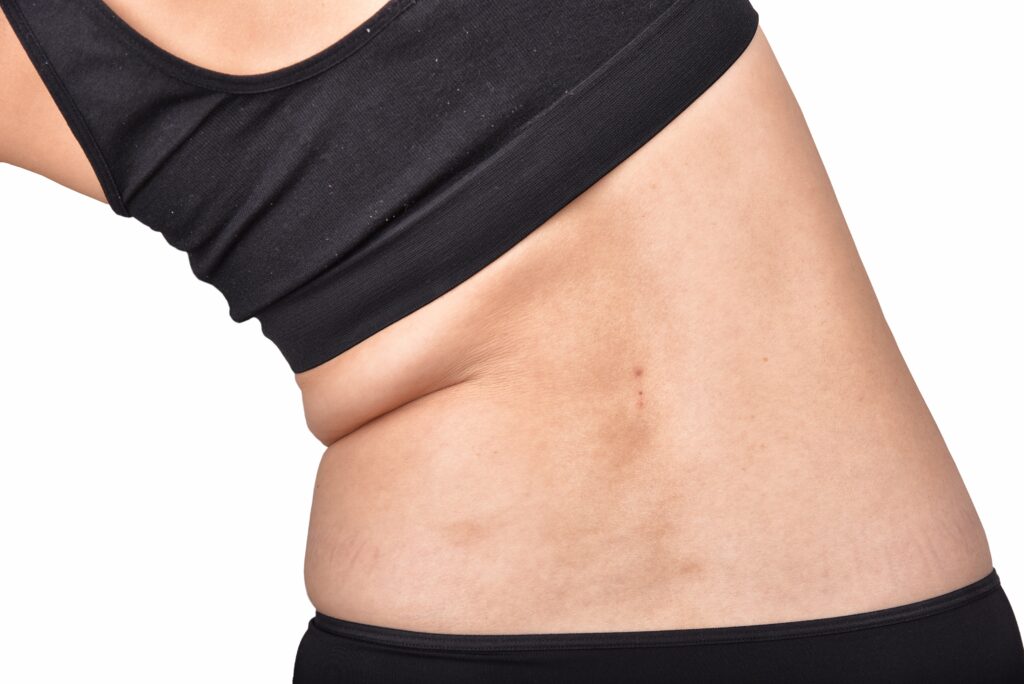
GLP-1 medications such as Ozempic and Wegovy have become increasingly common for weight management and metabolic health. While many people see positive results, a frequent complaint is persistent bloating or abdominal distension.
Patients often describe it as a feeling of pressure, tightness, or a visibly distended abdomen even when they haven’t eaten much. While this is often attributed to digestion alone, that is not always the full picture.
In many cases, bloating is not just about what is happening in the gut. It is also about how your body is managing pressure.
What Most People Think Is Causing Bloating
Bloating is commonly linked to:
- Slower digestion
- Gas or food sensitivities
- Changes in diet or portion sizes
GLP-1 medications can slow gastric emptying, which can contribute to some of these symptoms. However, this does not explain why some individuals experience significant abdominal distension without clear digestive triggers.
What Is Actually Happening in the Body
The abdomen is part of a pressure system that includes the diaphragm, abdominal wall, and pelvic floor. These structures are designed to work together to manage load, support movement, and regulate internal pressure.
When this system is not coordinating well, the result can be visible abdominal distension, even in the absence of excess gas or food.
This is often related to a condition known as abdominophrenic dyssynergia, where the diaphragm and abdominal wall are not functioning in sync. Instead of expanding and managing pressure efficiently, the abdomen may push outward, creating the appearance and sensation of bloating.
Why GLP-1 Medications Can Make Symptoms Worse
GLP-1 medications can amplify these issues in a few ways:
- Changes in appetite and eating patterns
- Increased sensitivity to fullness and pressure
- Altered breathing patterns due to discomfort
- Increased abdominal guarding or bracing
When breathing mechanics shift and the diaphragm is not moving well, pressure is often redirected outward into the abdomen instead of being managed efficiently within the system.
Why It Is Not “Just Bloating”
For many individuals, this is not simply a digestive issue. It is a coordination issue.
Symptoms may include:
- Visible abdominal distension
- A feeling of pressure or fullness
- Core weakness or instability
- Pelvic pressure or discomfort
This is where a whole body, pelvic health approach becomes important.
How Pelvic Health Physical Therapy Can Help
Pelvic health treatment in Atlanta focuses on restoring how the body manages pressure not just addressing symptoms.
This may include:
- Breathing retraining to improve diaphragm function
- Coordination of the abdominal wall and pelvic floor
- Neuromuscular re-education for core control
- Manual therapy to address restrictions in the abdomen and surrounding structures
In some cases, gentle visceral and fascial techniques can help improve mobility and reduce tension within the abdominal system, supporting more efficient pressure regulation.
What You Can Start Doing Now
Simple changes can begin to improve symptoms:
- Focus on 360-degree breathing (including posterior expansion)
- Avoid constant abdominal bracing
- Use supported positions such as 90/90 to restore breathing patterns
- Allow the abdomen to move naturally with breath
These strategies can help reduce the outward pressure that contributes to distension.
When to Seek Help
Bloating and abdominal distension are common, but they are not always normal. If symptoms are persistent or affecting your daily life, it may be worth evaluating how your body is managing pressure and coordination.
At Femina Atlanta, pelvic health physical therapy takes a whole-body approach to address the underlying contributors to these symptoms and help restore more efficient movement and function.
Frequently Asked Questions
Why do I feel bloated on GLP-1 medications?
Bloating can be related to digestion, but in many cases it is also influenced by how the diaphragm, abdominal wall, and pelvic floor coordinate pressure within the body.
What is abdominophrenic dyssynergia?
Abdominophrenic dyssynergia is a coordination issue where the diaphragm and abdominal wall do not work together properly, leading to visible abdominal distension without increased gas.
Can pelvic floor physical therapy help with bloating?
Yes. Pelvic health physical therapy focuses on restoring breathing mechanics, core coordination, and pressure regulation, which can significantly improve symptoms of bloating and distension.
References
- Abdominophrenic Dyssynergia: A Narrative Review.
- Barba E, et al. Visible Abdominal Distension in Functional Gut Disorders.
- Lacy BE, et al. Management of Chronic Abdominal Distension and Bloating.
- International Foundation for Gastrointestinal Disorders (IFFGD): Abdominophrenic Dyssynergia (APD).
- Barba E, et al. Thoracoabdominal Wall Motion–Guided Biofeedback for Abdominal Distension.