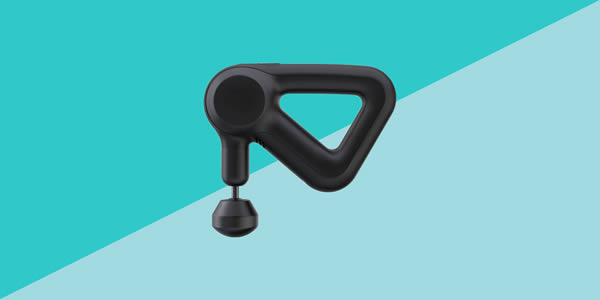
The best massage guns boost workout recovery by improving blood flow and reducing muscle tension.
The signs of a great workout are unmistakeable: You’re sweaty, you’re tired, and your muscles are on fire. But the next day? That jolt of energy is often replaced with uncomfortably achy muscles. The good news: Soreness, tightness, and just straight up pain isn’t something you have to suffer through. If your average foam roller just isn’t doing the the trick, these are the best massage guns that can help improve your recovery.
If you’ve never used a massage gun, it’s not as intimidating as it may sound. They’re handheld devices that deliver targeted pressure to particular muscle areas, sort of like a jackhammer that’s gentle enough for your body.
This pressure relaxes muscles and fascia (connective tissue that holds things like muscles, organs, bones, and nerve fibers in place) at both the surface level and deep within,
explains Heather Jeffcoat, D.P.T., owner of Fusion Wellness & Physical Therapy in Los Angeles. Massage guns can also help break up scar tissue, which may form after an injury and continue to trigger discomfort long after you’ve healed.
To use a massage gun, lightly sweep it over the muscle, avoiding bony spots. When you’re first starting out, only spend a few minutes on each area. As your body gets used to the treatment over time, you can extend your session up to about 15 minutes max, as experts agree that going longer than this doesn’t provide any benefit and it may actually cause muscle bruising or soreness from overdoing it.