
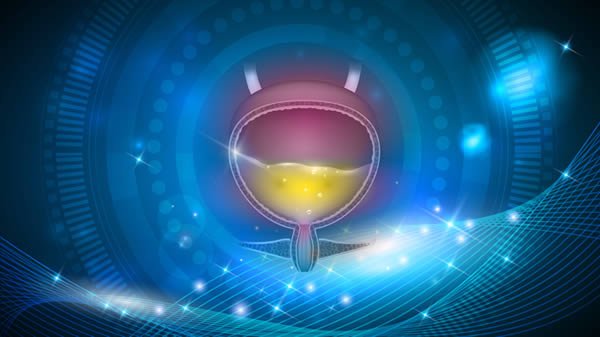
Painful Bladder Syndrome & Interstitial Cystitis Symptoms

image of post-partum urinary incontinence

Painful Bladder Syndrome / Interstitial Cystitis:

This pain or discomfort is perceived to be related to the bladder upon filling or often immediately after emptying. Symptoms include urinary urgency with pressure, burning and aching pain along with increased frequency, > 8 times per day, and > 3 months duration.

Associated symptoms may also include low back pain, sexual dysfunction (pain during sex, pain after sex – termed post-coitus pain). Painful Bladder Syndrome was formerly known as Interstitial Cystitis – a chronic inflammation within the wall or lining of the bladder.

However recent research supports that this is more of a condition of musculoskeletal dysfunction in the pelvic floor muscles, and rarely associated with any true bladder pathology, such as a Hunner’s Lesion (which only occurs in less than 8% of cases). As there is no infection present, the frequent rounds of antibiotics that patients are often put on do little to modify a patient’s symptoms.

Contact us with any questions you may have about your Painful Bladder Syndrome or Interstitial Cystitis diagnosis. We have a number of treatment options available!

** The American Urological Association has recently (2022) published updated guidelines to the treatment of IC and BPS.  These updates are highlighted and discussed in our blog post: Updates to Interstitial Cystitis / Bladder Pain Syndrome Treatment Guidelines. **

Share the Post:

Related Posts

BFR for Pelvic Floor Physical Therapy in Los Angeles: The Comprehensive Guide

Pelvic floor concerns can affect strength, mobility, exercise, and everyday confidence—but effective treatment goes beyond isolated pelvic floor exercises. Blood Flow Restriction (BFR) therapy offers a low-load approach to strengthening that may help patients build muscle while minimizing the demands of heavier resistance training. At Femina PT in Los Angeles, BFR is thoughtfully integrated into individualized pelvic floor physical therapy to address strength, core function, pelvic health, and overall movement. With expert guidance and a comprehensive approach, patients can work toward greater strength, stability, and confidence in the activities that matter most.

Read More