


Choosing the Right Vulvovaginal Moisturizer
Assuming You Need One, Make Sure It Has the Right Ingredients
Many people with female anatomy experience vaginal dryness at some point in their lives. While it is commonly associated with aging and menopause symptoms, vaginal dryness can affect individuals of all ages due to hormonal changes, medical conditions, medications, or certain cancer treatments. Fortunately, choosing the right vaginal moisturizer can help restore comfort, improve vaginal health, and reduce symptoms such as vaginal itching, vaginal burning, vaginal irritation, and even painful intercourse.
Understanding why vaginal dryness occurs and how to choose the best product can help you find lasting relief.
What Causes Vaginal Dryness?
As we age, the vaginal and vulvar tissues naturally become thinner, less elastic, and produce less moisture. This is especially common during menopause because estrogen levels decline significantly. Since estrogen plays an important role in maintaining vaginal lubrication, tissue thickness, and elasticity, lower estrogen levels can contribute to vaginal dryness during menopause and, in some cases, vaginal atrophy.
However, menopause is far from the only cause.
Other common causes of vaginal dryness include:
- Pregnancy and the postpartum period
- Breastfeeding, when estrogen levels remain temporarily lower
- Birth control pills
- Anti-estrogen medications used for endometriosis or uterine fibroids
- Certain cancer treatments such as chemotherapy or hormone therapy
- Autoimmune conditions like Sjögren’s Syndrome
- Certain antidepressants or allergy medications
When vaginal tissues become dry, symptoms may include:
- Vaginal dryness
- Vaginal itching
- Vaginal burning
- Vaginal irritation
- Pain during urination
- Discomfort during exercise
- Painful intercourse
If left untreated, persistent dryness may contribute to vaginal atrophy, a condition in which the vaginal tissues become thinner, less flexible, and more prone to irritation.
Why a Vaginal Moisturizer Can Help
Unlike personal lubricants, which are designed to reduce friction during sexual activity, a vaginal moisturizer is intended for regular use to replenish moisture and support healthy vaginal tissues over time.
Using a quality vaginal moisturizer can:
- Improve hydration of vaginal tissues
- Reduce vaginal irritation and dryness
- Decrease vaginal burning and itching
- Improve comfort during daily activities
- Help reduce discomfort associated with painful intercourse
- Support long-term vaginal health
Many pelvic health providers recommend vaginal moisturizers as part of a comprehensive vaginal dryness treatment, particularly for individuals who cannot or prefer not to use estrogen therapy.
Choosing the Best Vaginal Moisturizer
Not every moisturizer is appropriate for the vulva or vagina. Products designed for the face or body often have ingredients, fragrances, or pH levels that can disrupt the delicate vaginal environment.
The vagina naturally maintains an acidic pH that supports healthy bacteria and helps prevent infections such as bacterial vaginosis and yeast infections. Products with a higher pH or irritating ingredients may actually worsen vaginal dryness and irritation.
When choosing the best vaginal moisturizer, look for products that are:
- pH-balanced for vaginal use
- Free from fragrances and harsh chemicals
- Free from unnecessary dyes or alcohols
- Designed specifically for vaginal tissues
- Recommended by healthcare professionals
Why Hyaluronic Acid Is an Excellent Ingredient
One ingredient that has gained significant attention is hyaluronic acid.
Hyaluronic acid naturally occurs throughout the body and has an incredible ability to retain moisture. A hyaluronic acid moisturizer helps draw water into the tissues, improving hydration while supporting tissue elasticity and comfort.
Several studies have shown that hyaluronic acid may effectively relieve vaginal dryness and improve tissue quality, making it an excellent non-hormonal option for many individuals, particularly those experiencing vaginal dryness related to menopause.
Our Favorite Vaginal Moisturizer Products
Below are several products we frequently recommend based on their ingredients, effectiveness, and ease of use.
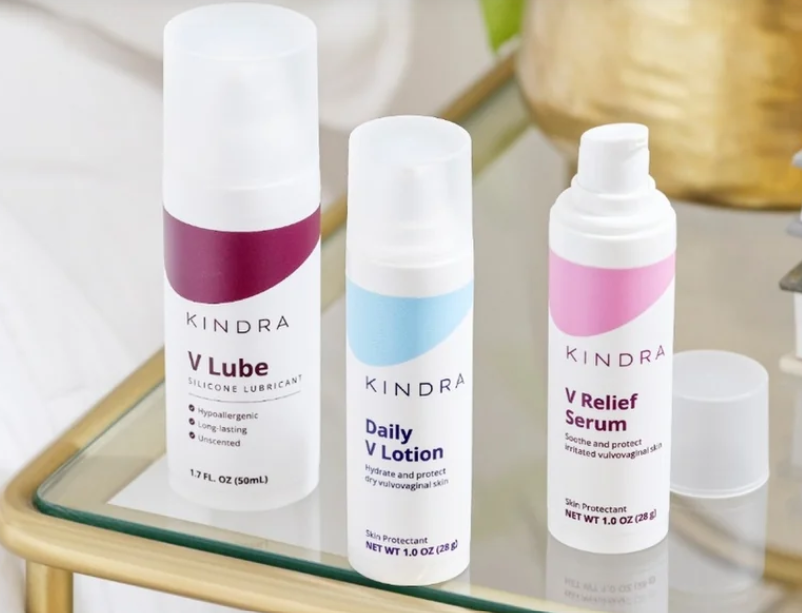
Kindra products are designed mainly for women’s intimate and menopausal health. It aims to improve intimate comfort, hydration, and overall well-being during perimenopause and menopause. They are formulated to support women’s changing needs and promote greater comfort and confidence throughout different stages of life.
Best for:
- Vaginal dryness and discomfort
- Vulvar irritation, itching, and sensitivity
- Discomfort during intimacy
- Skin hydration and soothing
- Menopause-related symptoms, such as hot flashes, sleep difficulties, fatigue, and low libido
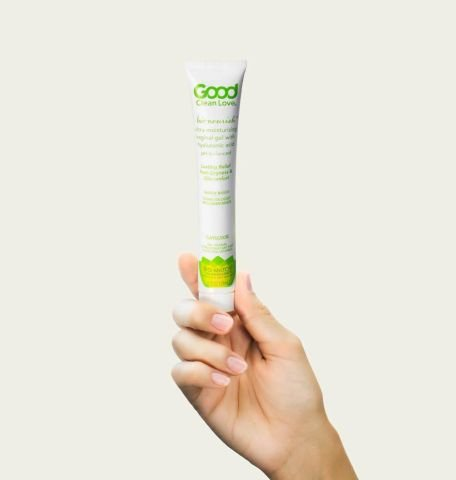
Good Clean Love BioNourish Ultra Moisturizing Vaginal Gel
If you prefer a vaginal gel, BioNourish is another excellent choice. This product contains hyaluronic acid and comes with an easy-to-use applicator that allows comfortable internal application with minimal mess.
Best for:
- Mild to moderate vaginal dryness
- Regular hydration
- Individuals who prefer a gel over suppositories
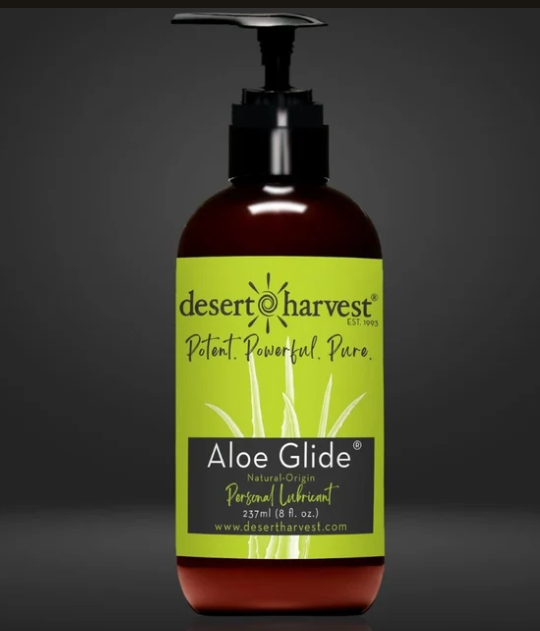
For those experiencing vaginal burning, inflammation, or persistent vaginal irritation, Desert Harvest Aloe Glide offers soothing relief through its aloe vera-based formulation.
Best for:
- Vaginal burning
- Vaginal itching
- Sensitive tissues
While internal moisturizers address vaginal dryness, external vulvar tissues may also become dry or irritated.
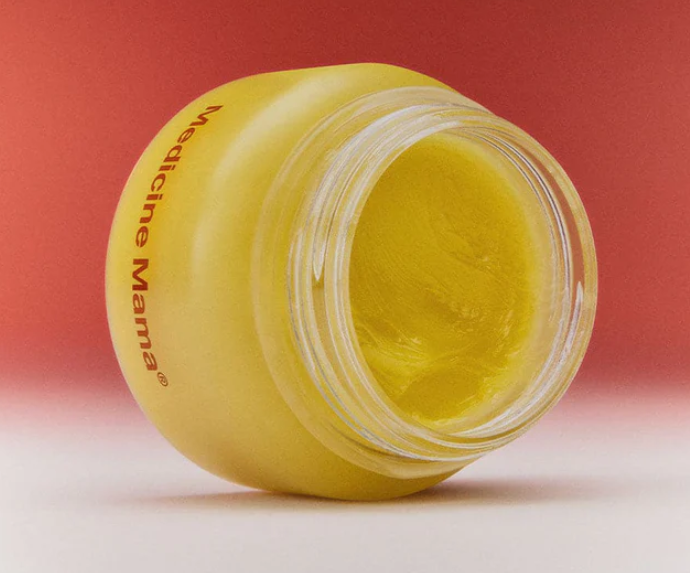
V Magic Vulva Balm is designed specifically for the vulva and provides long-lasting moisture without feeling greasy.
Best for:
- Vulvar dryness
- External irritation
- Everyday comfort
Vaginal Moisturizer vs. Lubricant
Many people confuse vaginal moisturizers with lubricants, but they serve different purposes.
A vaginal moisturizer is used regularly, typically several times a week, to improve hydration and maintain healthy vaginal tissues over time.
Lubricants, on the other hand, are applied immediately before sexual activity to reduce friction and improve comfort during intercourse.
For individuals experiencing ongoing vaginal dryness, using both a moisturizer and a lubricant may provide the greatest relief.
When to Seek Professional Help
Although over-the-counter vaginal moisturizers are highly effective for many individuals, don’t ignore persistent symptoms.
If you continue experiencing vaginal dryness, vaginal irritation, recurrent infections, bleeding, or painful intercourse despite using moisturizers, it’s important to consult a healthcare provider or pelvic health physical therapist.
A pelvic floor physical therapist can evaluate whether muscle tension, scar tissue, pelvic floor dysfunction, or other conditions are contributing to your symptoms. They can also recommend the most appropriate dyspareunia treatment plan if pain during intercourse is affecting your quality of life.
Conclusion
Vaginal dryness is incredibly common, but it doesn’t have to become your new normal. Whether your symptoms are related to menopause, postpartum recovery, breastfeeding, medications, or another health condition, choosing the right vaginal moisturizer can make a meaningful difference in your comfort and overall vaginal health.
Look for products specifically formulated for vaginal use, prioritize ingredients like hyaluronic acid, and don’t hesitate to seek professional guidance if symptoms persist. The right treatment can help relieve dryness, reduce irritation, and restore confidence in your daily life.
Ready to Find the Right Solution?
Not sure which vaginal moisturizer is best for your symptoms?
Our pelvic health physical therapists can assess your concerns, identify the underlying cause of your vaginal dryness, and recommend personalized treatment options, including product recommendations and pelvic floor therapy when appropriate.
Schedule an appointment with Femina PT today and let us help you find lasting relief so you can feel comfortable, confident, and supported.
Frequently Asked Questions
1. What is the best vaginal moisturizer for menopause?
Many healthcare providers recommend products containing hyaluronic acid because they provide long-lasting hydration without hormones. The best vaginal moisturizer depends on your symptoms, preferences, and medical history.
2. Can hyaluronic acid help with vaginal dryness?
Hyaluronic acid helps attract and retain moisture within the vaginal tissues, making it one of the most effective non-hormonal options for treating vaginal dryness.
3. What is the difference between a vaginal moisturizer and a vaginal gel?
A vaginal gel refers to the product’s consistency, while a vaginal moisturizer describes its purpose. Many vaginal gels are formulated to function as moisturizers by providing long-lasting hydration.
4. Can vaginal dryness cause painful intercourse?
Yes. Reduced lubrication can increase friction during intimacy, leading to painful intercourse. Treating the underlying dryness and addressing pelvic floor dysfunction, when present, can significantly improve comfort.
5. When should I see a pelvic health physical therapist for vaginal dryness?
If vaginal dryness, vaginal irritation, vaginal burning, or painful intercourse continue despite using moisturizers, or if symptoms interfere with daily life, it is beneficial to consult a pelvic health physical therapist for a comprehensive evaluation and personalized treatment plan.
References:
Santoro N, Epperson CN, Mathews SB. Menopausal Symptoms and Their Management. Endocrinol Metab Clin North Am. 2015 Sep;44(3):497-515. doi: 10.1016/j.ecl.2015.05.001. PMID: 26316239; PMCID: PMC4890704.
Casey PM, MacLaughlin KL, Faubion SS. Impact of Contraception on Female Sexual Function. J Womens Health (Larchmt). 2017 Mar;26(3):207-213. doi: 10.1089/jwh.2015.5703. Epub 2016 Sep 13. PMID: 27622561.
Last updated: 14 October 2026
Originally published: 06 October 2023